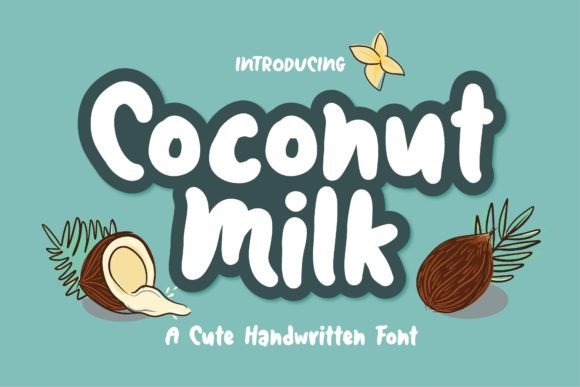
Coconut Milk Font: A Playful Handwritten Touch
In the vast ocean of digital typefaces, finding one that feels genuinely personal can be a challenge. You want something that carries warmth, personality, and an organic quality without sacrificing legibility or versatility. Enter the Coconut Milk Font, a creative font that captures the essence of natural handwriting with a modern twist. It’s not just a typeface; it’s a design asset that brings a human touch to any project, bridging the gap between casual charm and professional polish.
Coconut Milk is a cute and playful handwritten font that stands out because of its natural flow and unique style. Unlike rigid geometric typefaces or overly formal serif font families, this script font feels alive. It mimics the imperfect beauty of real ink on paper, offering a refreshing alternative to the sterile precision of standard sans serif font options. For designers, entrepreneurs, and content creators, understanding how to wield a font like Coconut Milk can be the key to unlocking more engaging, relatable, and effective visual communication.
The Visual Character of Coconut Milk
At its core, the Coconut Milk Font is defined by its fluidity and approachability. The letterforms are carefully crafted to mimic a relaxed, confident hand, avoiding the jagged edges or illegible loops that plague many handwritten fonts. It strikes a delicate balance: it is casual enough to feel friendly, yet structured enough to remain readable at various sizes.
The visual personality of this typeface is undeniably warm. It feels like a sunny afternoon or a handwritten note from a friend. This makes it an incredibly fitting choice for a large pool of designs where you want to evoke positive emotions. Whether you are working on wedding invitations, thank you cards, or quotes, the aesthetic of Coconut Milk adds a layer of intimacy that digital fonts often lack.
Where Coconut Milk Truly Shines
The versatility of a premium font like Coconut Milk is one of its greatest strengths. Because it carries such a distinct personality, it can elevate a wide range of projects across different mediums. It works exceptionally well in contexts where connection and authenticity are paramount.
For wedding invitations and stationery, the font provides a romantic, bespoke feel without the cost of hiring a professional calligrapher for every piece of text. It mimics the elegance of hand-lettering, making it perfect for names, headers, and sentimental messages. Similarly, for greeting cards and quotes, the natural style of the font enhances the emotional weight of the words, making the message feel more personal and heartfelt.
In the world of branding and business, Coconut Milk is a powerful tool for specific niches. If you are a small business owner, entrepreneur, or blogger, your brand identity relies on connecting with your audience. This font is ideal for:
- Logo Design: For businesses in the lifestyle, beauty, food, or artisan sectors, a handwritten font logo signals authenticity and care. It suggests that there is a human behind the brand.
- Packaging Design: On product labels, especially for organic goods, bakeries, or boutique items, Coconut Milk can make the product look homemade and high-quality.
- Social Media Graphics: In the fast-scrolling world of Instagram or Pinterest, a script font like this stops the eye. It is perfect for creating engaging quotes, announcements, or story highlights that stand out against standard sans-serif text.
- Editorial Design: While not suitable for body text, it serves as a beautiful accent in magazines, blogs, or book covers to create visual hierarchy and draw attention to pull quotes or chapter titles.
Strategic Typography: More Than Just Pretty Letters
Choosing a font is a strategic decision, not just an aesthetic one. Typography influences how your message is perceived, how long people read, and how they feel about your brand. When you integrate Coconut Milk Font into your design assets, you are making a conscious choice to prioritize warmth and engagement.
However, using a handwritten display font effectively requires understanding its limitations and strengths. Because Coconut Milk is a script font, it is best used for headers, accents, and short bursts of text. Using it for long paragraphs in web design or print would compromise readability, as the eye struggles to track lines of cursive text over long distances. Instead, think of it as the seasoning in your design recipe—a little goes a long way.
Practical Guidance for Using Coconut Milk
To get the most out of the Coconut Milk Font, it helps to approach it with a designer’s mindset. Here are some practical considerations for integrating this typeface into your workflow.
Font Pairing is Essential
A handwritten font rarely stands alone effectively. The key to professional typography is contrast. To let Coconut Milk shine, pair it with a clean, neutral companion. A simple sans serif font or a classic serif font works best for body text and supporting information.
- High Contrast: Pair the fluid, organic lines of Coconut Milk with a geometric sans serif font. This highlights the playfulness of the script while maintaining a modern, clean look for the details.
- Soft Contrast: If you want a softer feel, pair it with a rounded sans serif. This creates a friendly, approachable vibe perfect for children’s brands or casual lifestyle blogs.
- Traditional Contrast: For a more sophisticated look, such as wedding stationery or boutique branding, pair the script with a classic serif font. The elegance of the serif grounds the whimsy of the handwritten style.
Readability and Hierarchy
Visual hierarchy is about guiding the viewer's eye. Use Coconut Milk for the most important elements—like a headline, a call to action, or a logo mark. Then, switch to a highly legible typeface for the supporting information. Ensure there is enough "white space" (breathing room) around the handwritten text so it doesn't feel cluttered. Because of its unique style, kerning (the space between letters) is crucial; check that the letters aren't crashing into one another in your specific layout.
Licensing and Usage
When downloading the Coconut Milk Font, always review the licensing terms. If you are using it for a commercial font project—such as a client’s logo, a product for sale, or paid advertising—ensure you have the appropriate commercial license. Most premium font providers distinguish between personal use (hobby projects, school work) and commercial use (anything generating revenue). Respecting these licenses supports the type designers who create these beautiful assets.
Exploring Endless Variations
One of the joys of working with a high-quality typeface is the discovery of its nuances. Spend time exploring the Coconut Milk Font. Look for alternate characters or ligatures that might be included, which can add even more flair to your typography. Play with the scale; sometimes a handwritten font looks entirely different when blown up large for a poster versus scaled down for a business card.
Ultimately, design is about communication. The Coconut Milk Font is a tool that helps you communicate with a smile. It tells your audience that you are creative, approachable, and thoughtful. Whether you are crafting a logo for a new startup, designing a menu for a local cafe, or creating a heartfelt invitation, this font offers a beautiful, natural foundation to build upon. Have fun with it, experiment with pairings, and let its unique style bring your creative vision to life.